

Posts by Ed Rempel
Building an Emergency Fund When Money Is Tight (And How to Stay Protected While You Invest)
How to Build a Safety Net Without Putting Your Future on Hold A practical guide for ages 16-25 to building emergency savings, understanding where a TFSA can fit, and balancing saving with investing – without making money feel all-or-nothing. The goal is not perfection.The goal is enough breathing room that an ordinary surprise does not…
Read MoreNational Post article: Can Tom afford to retire by 63 with a $1.16 million portfolio?

Having enough money to retire is one thing. Knowing how to use it wisely is another. Tom and Judy are in a strong financial position. With a $1.16 million investment portfolio and a valuable defined benefit pension, the bigger question isn’t whether Tom can afford to retire at 63 — it’s how they should make…
Read MoreThe Right Trust Structure for Business Owners in Canada- How Smart Planning Evolves as Your Business Grows
THE RIGHT TRUST STRUCTUREFOR BUSINESS OWNERS IN CANADAA calm, practical guide to using trust planning as your business grows, wealth builds, and family priorities become clearer. For business owners, incorporated professionals, and families who want growth, protection, and transition planning to feel clearer – not more overwhelming. Core idea Trust planning should not be about…
Read MoreRetiring at an All-Time High: What History Actually Shows
I get this question a lot. Is a retirement plan safe if you retire when the markets are at an all-time high? Can you reasonably still expect good performance in the future? The Conventional Wisdom About Retirement Risk The conventional wisdom here is 3 things: All the questions I get about sequence of returns risk…
Read MoreiWatchMarkets article: Ed Rempel, CFP, Explains Why Self-Made Dividends Are Better Than Ordinary Dividends, In Every Way
Most investors think dividends are one of the safest and smartest ways to create retirement income. But are they really? Ordinary dividends have some significant drawbacks that are often overlooked: There’s another option: self-made dividends. Instead of relying on companies to decide when and how much income you receive, you create your own cash flow…
Read MoreDebt After Separation: How to Regain Control Without Panic
A practical, emotionally grounded guide to sorting out post-separation debt, protecting cash flow, and rebuilding one clear step at a time. The debt is not your identity There is a specific, heavy feeling that can come with debt after a separation. It is not just financial. It is emotional, personal, and often tied to grief,…
Read MoreWhy Economic Freedom and the Stock Market Make Us All Richer
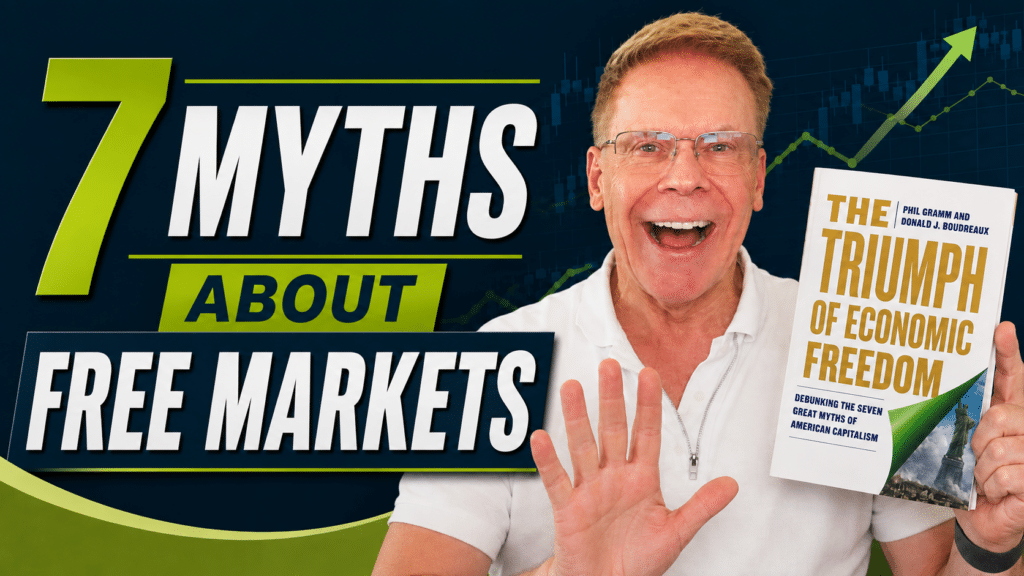
As equity investors, we put our money into companies through the stock market because we believe in the power of innovation, competition, and long-term growth. But for the stock market to deliver strong returns over time, we need economic freedom and free enterprise. When people can freely start businesses, invest, trade, hire, and compete without…
Read MoreYour First Real Paycheque: A Smart Money System for Young Professionals
The Habit That Builds Wealth Not the Amount A -friendly guide to using your first corporate paycheque with confidence, clarity, and a system that protects your future self. The first paycheque is exciting. The real opportunity is what you automate before lifestyle creep takes over. Your First Paycheque: What Actually Matters There is a moment…
Read MoreNational Post article: Everything changed when Kevin’s wife died. He now wants to retire next year, at 54, but can he afford to?
My latest article for the National Post looks at Kevin, 53, who is considering retiring next year after the death of his wife changed how he thinks about work, family and how he wants to spend his time. He has nearly $1 million invested, a $1.5 million debt-free home and an employer pension, but he…
Read MoreStay Invested – Your “Behavioural Vitamin C” to Build Real Financial Freedom

As we hit the halfway point of 2026, it’s the perfect moment to step back and talk about what really builds lasting financial freedom: staying focused on your long-term plan amid all the noise. Think of your financial plan as the GPS for your life. It’s not a dusty document – it’s a dynamic, living…
Read More