

What Does Money Mean to You?
Have you ever stopped and really asked yourself:
“What does money mean to me?”
As financial advisors/ planners, we spend so much time talking about returns, projections, and strategies that we sometimes forget the most important element in a financial plan — the client’s relationship with money.
Over the years, I’ve learned that before we talk about investments or retirement, we need to talk about meaning. Because money isn’t just numbers — it’s emotions, values, fears, hopes, and identity.
What Money Means to Me
Personally, money represents comfort and care — the ability to make life smoother not only for my immediate family but for my extended family too. It means being able to provide, support, and uplift. And if it means working harder or longer for that, I’m prepared to do it.
But that’s my meaning — and each person has their own.
What Money Represents to Different People
For some, money is:
- Power“I can do what I want. I’m in control. I’m strong.”
- Happiness: “If I have enough money, I can solve every problem.”
- Security: “My family and I are safe if our finances are safe.”
- Freedom: “Financial independence will give me the life I want.”
- Love: “Money makes relationships easier. People will value me more.”
- Respect: “I worked hard and earned this — I deserve recognition.”
None of these meanings are right or wrong. But they are important — because they drive decisions.
Why Understanding Money Values Matters
When we know what money truly represents for you:
- Your financial goals become clearer
- Your priorities fall into place
- Your behaviours make more sense
- And your plan becomes realistic rather than idealistic
Sometimes people chase goals that don’t align with their values at all. That’s when stress, guilt, or impulsive decisions happen.
So before planning, investing, or budgeting, it’s worth asking: Is the way I think about money actually practical? Does it support my life decisions — or sabotage them?
Money Is a Tool — Not the Goal
This is the most important part. Money is simply a tool — one that helps you create:
- Financial independence
- A comfortable lifestyle
- A buffer against uncertainty
- Opportunities for your family
But it’s not something we can control perfectly. And it won’t last forever unless we manage it wisely. Note that I say manage money — not “being debt-free,” “cash-rich,” or “asset-rich.”
Because proper management is what actually helps you reach your goals.
Three Principles I Live By and ask our clients to do so.
1. Make your money work for you.
Invest it wisely.
Don’t fear calculated risk.
Historically, staying invested through market ups and downs has always paid off.
2. Be your own advisor — but don’t go it alone.
Use experts who understand your values.
A good financial planner is like a money doctor:
they diagnose, treat, and guide with care.
3. Don’t let money ruin your life.
Don’t stress.
Don’t obsess.
Don’t compare.
Focus on your goals, your plan, and your journey.
And of course — Keep smiling. 🙂
Final Thought
Understanding your money values is the foundation of a strong financial plan. Once you know what money truly means to you, the rest becomes clearer: Your goals. Your decisions. Your path.
Money or wealth is not the destination. It’s just the vehicle.
Meet Sabiha Mukadam
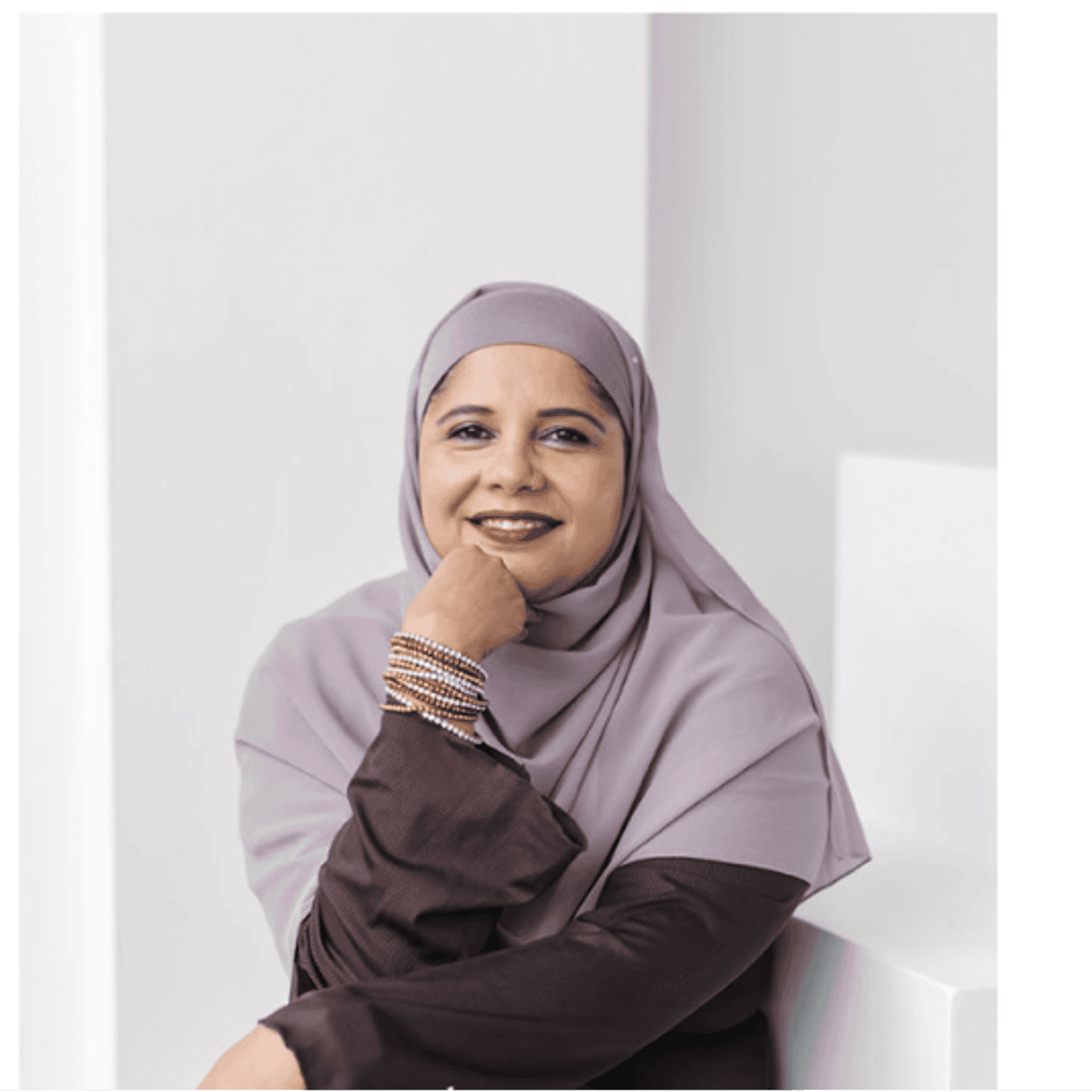
Sabiha Mukadam is a Senior Planner with Ed Rempel and Sage Collaborative Financial Planning, where she supports Full-Service clients in achieving their plans by reviewing financial strategies and guiding thoughtful decisions over time.
She and Ed have worked together for eight years, sharing a philosophy of long-term thinking, practical strategies, and real-life decisions people can follow. Through Advice from the Sage Owl and Youth Corner, Sabiha helps people build clarity, confidence, and a stronger understanding of the behavioural side of financial planning.