

The Longevity Revolution: Why We’re on the Brink of Living Decades Longer
The longevity movement is transforming how we think about aging—not as an inevitable decline, but as a challenge we can overcome with science, technology, and smart choices.
Many experts believe we’re on the cusp of dramatically extending healthy lifespans.
I’m on a longevity and healthspan journey.
I’m not an expert in longevity, but I’m continuously learning, and it’s all exciting. I’m simply passing along some of what I’ve learned.
I am, however, an expert in retirement planning. Living healthier for longer can have a huge impact on your retirement.
What kind of life do you want if you remain healthy for decades longer?
In my latest video, podcast episode, and blog post, you’ll learn:
- Why science suggests we could add healthy decades to our lives within the next 10–20 years.
- How Peter Diamandis and the $101 million XPRIZE Healthspan are accelerating breakthroughs.
- The 9 key hallmarks of aging, with clear explanations and promising solutions.
- A close-up look at Lake Nona, Florida—a purpose-built longevity hub—and what it could mean for all of us.
- What we can do today to stay healthier for longer.
- An optimistic vision for a future of vibrant, extended healthspan.
Why We’re Likely to Live Much Longer Soon
Medical progress has already been extending life expectancy by about three months every year. But now, exponential technologies are converging: artificial intelligence for analyzing vast biological data, CRISPR for precise gene editing, advanced gene therapies, epigenetic reprogramming, senolytics to clear harmful cells, and more.
Futurists like Ray Kurzweil and Peter Diamandis talk about reaching ‘Longevity Escape Velocity’—the point where scientific advances add more than one year of healthy life for every year that passes. For those who maintain good health and have access to emerging tools, this could arrive by the late 2030s. It’s not about immortality, but about expanding our prime years for family, travel, work, and purpose.
Peter Diamandis, through XPRIZE, is fueling this with the $101 Million XPRIZE Healthspan—the largest prize in XPRIZE history. Launched as a 7-year global competition (running to 2030), it challenges teams worldwide to develop safe, accessible therapeutics that can restore muscle function, cognitive performance, and immune response by the equivalent of at least 10 years (with a stretch goal of 20 years) in people aged 50-80.
In other words, it’s a massive prize to any group or company that finds a way to reverse aging.
Teams must prove results in rigorous clinical trials within a year of treatment. This prize isn’t just about extending lifespan—it’s about extending healthspan, the years we live actively and independently. It incentivizes real-world innovation and collaboration across biotech, pharma, and academia.
More than 600 competing teams from 58 countries registered for the global competition. From those 600+, 100 teams have advanced as semi-finalists (Top 100 Qualified Teams). Of these, the Top 40 teams were selected as Milestone 1 award winners (each receiving funding to advance) for the main Healthspan prize, plus 8 are finalists for the related $10M FSHD Bonus Prize.
These teams are actively developing and testing therapeutics aimed at restoring muscle, cognitive, and immune function. The competition remains active through 2030, with a further milestone in mid-2026 narrowing it down further.
The high number of entrants shows tremendous global interest and momentum in the longevity field.
The 9 Hallmarks of Aging
What actually is aging? You have the same genome that you did when you were 20. Why do you look different?
Understanding aging starts with the foundational 9 hallmarks, identified in landmark research and frequently highlighted by Peter Diamandis. These interconnected processes drive aging, but many are modifiable today through lifestyle and poised for high-tech interventions tomorrow. Here’s each one with a detailed explanation and what Diamandis and the field see as promising paths forward:
- Genomic Instability: Over time, our DNA accumulates damage from radiation, toxins, errors in replication, and oxidative stress, leading to mutations and cellular dysfunction. Solutions: Minimize exposure to toxins and excess sugar; leverage CRISPR-based gene editing and DNA repair therapies in the future. Lifestyle basics like antioxidant-rich diets help today.
- Telomere Attrition: Telomeres are protective caps on chromosomes that shorten with each cell division, eventually limiting replication (the Hayflick limit). Solutions: Proven lifestyle factors include exercise, meditation, a healthy diet, and stress reduction, which can help preserve or lengthen telomeres. Emerging telomerase activation therapies are in development.
- Epigenetic Alterations: These are changes in how genes are expressed (turned on/off) without altering the DNA sequence itself—driven by environment, diet, and aging. As you age, your body turns off some genes and turns on others. Solutions: Healthy habits like quality sleep and nutrition influence epigenetics positively. Exciting epigenetic reprogramming techniques (partial cellular reprogramming) aim to reset cells to a more youthful state.
- Loss of Proteostasis: Cells struggle to properly fold, maintain, and clear proteins, leading to toxic clumps associated with diseases like Alzheimer’s. Solutions: Intermittent fasting and nutrient-dense diets activate cellular cleanup (autophagy). Exercise supports this process; future drugs targeting proteostasis networks are advancing.
- Dysfunctional Mitochondria (Mitochondrial Dysfunction): Mitochondria are tiny structures inside almost every cell in your body. Their main job is to produce energy. They take the food you eat and the oxygen you breathe and convert them into a usable form of energy called ATP (adenosine triphosphate). This energy powers everything you do: walking, thinking, digesting, repairing tissues, exercising, and even sleeping. As we age, our cellular powerhouses become less efficient, producing more harmful reactive oxygen species (ROS) and less energy. Solutions: Whole-food diets, regular exercise, and hormesis practices (like sauna or cold exposure). NAD+ boosters (e.g., NMN or NR) are popular and show promise in supporting mitochondrial health.
- Cellular Senescence: Cells enter a “zombie” state where they stop dividing but secrete inflammatory signals, contributing to chronic inflammation and tissue damage. Solutions: Senolytic compounds (like dasatinib + quercetin or fisetin) that clear these cells; consistent exercise; emerging senolytic drugs and even vaccines targeting senescent cells.
- Stem Cell Exhaustion: As we age, our reserves of stem cells, needed for tissue repair and regeneration, decline in number and function. Solutions: Stem cell therapies (using a patient’s own or donor cells) are already in clinical use for some conditions. Research into rejuvenating the stem cell niche is accelerating.
- Altered Intercellular Communication: Signaling between cells becomes dysregulated, leading to chronic inflammation (“inflammaging”) and poor coordination across tissues. Solutions: Anti-inflammatory lifestyle choices like omega-3-rich foods, exercise, and good sleep. Broader approaches target systemic inflammation and the SASP (senescence-associated secretory phenotype).
- Deregulated Nutrient Sensing: As we age, pathways like mTOR, insulin/IGF-1, and AMPK that sense nutrients get out of balance, shifting the body from repair to growth mode inappropriately. Solutions: Caloric restriction or intermittent fasting powerfully influences these pathways. Supplements like metformin or NAD+ precursors help regulate them; targeted drugs are in trials.
These 9 hallmarks don’t act in isolation—they reinforce each other. The good news? Lifestyle powerfully modulates most of them right now, buying us time until advanced therapies arrive.
A Glimpse into Lake Nona – A Longevity Hub
One of the most exciting real-world examples is Lake Nona in Orlando, Florida. This master-planned community was deliberately designed as a hub for health, wellness, innovation, and longevity. It brings together researchers, clinicians, biotech companies, and residents in close proximity to spark rapid collaboration and translation of ideas into practice.
Key players include the University of Central Florida’s Academic Health Sciences campus with its medical school focused on biomedical research, the UCF Lake Nona Cancer Center, and UCF Lake Nona Hospital; the Orlando VA Medical Center; Nemours Children’s Health; major players like Johnson & Johnson; and numerous biotech firms.
There are a few clinics open to the public with specialized longevity services and treatments.
In a video on my Instgram post, I walk by some of them. It starts with the Wave Hotel, one of the most technologically advanced hotels in the world. Nearby and beside each other are a few specialized clinics.
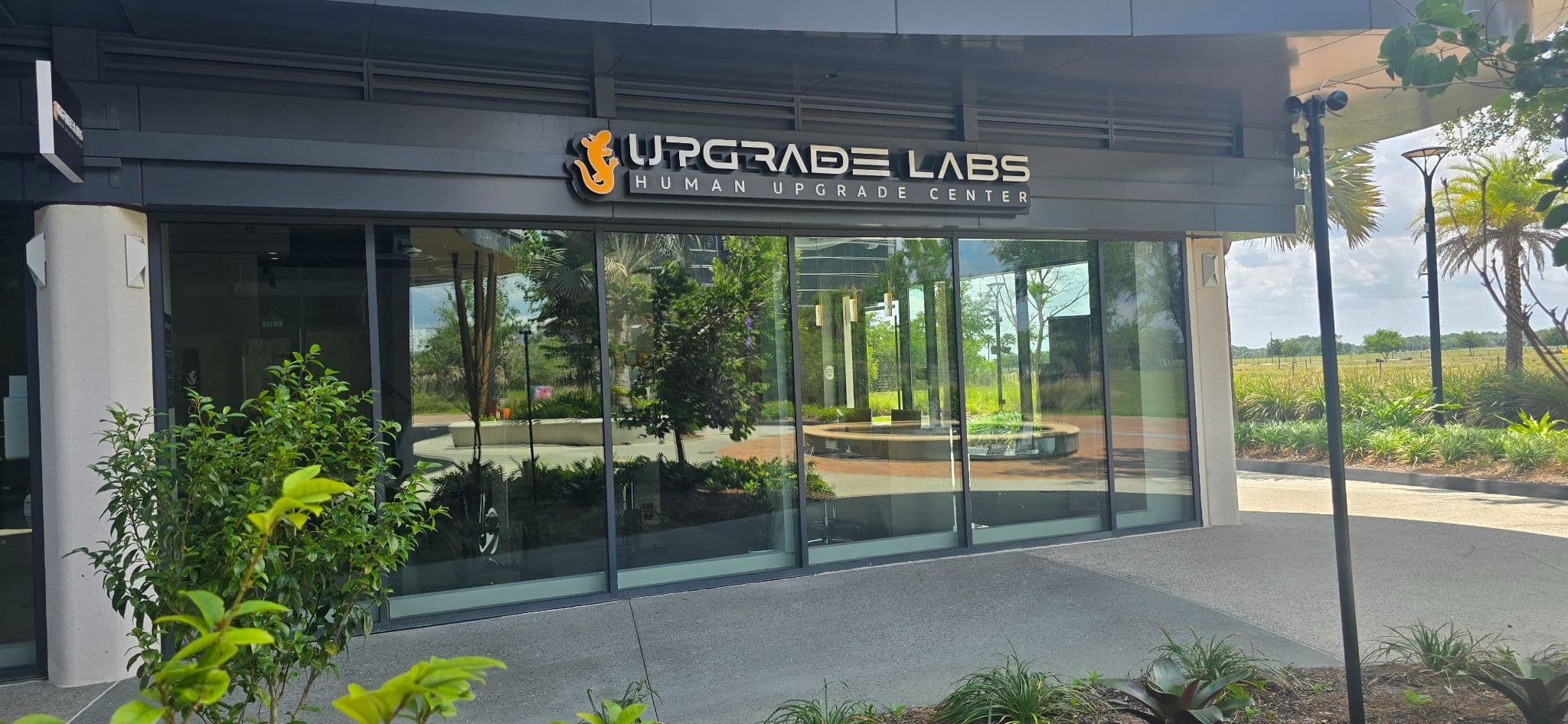
Upgrade Labs (founded by Dave Asprey) offers state-of-the-art biohacking: AI-driven strength training, cryotherapy, red light therapy, PEMF, neurofeedback for cognitive vitality, recovery tech, and more. This ecosystem means experts in hospitals, drug development, research labs, and specialized clinics work side-by-side. Discoveries move faster from bench to bedside, accelerating benefits for everyone through shared knowledge, clinical trials, and real-world application. Upgrade Labs is also in Oakville Ontario.
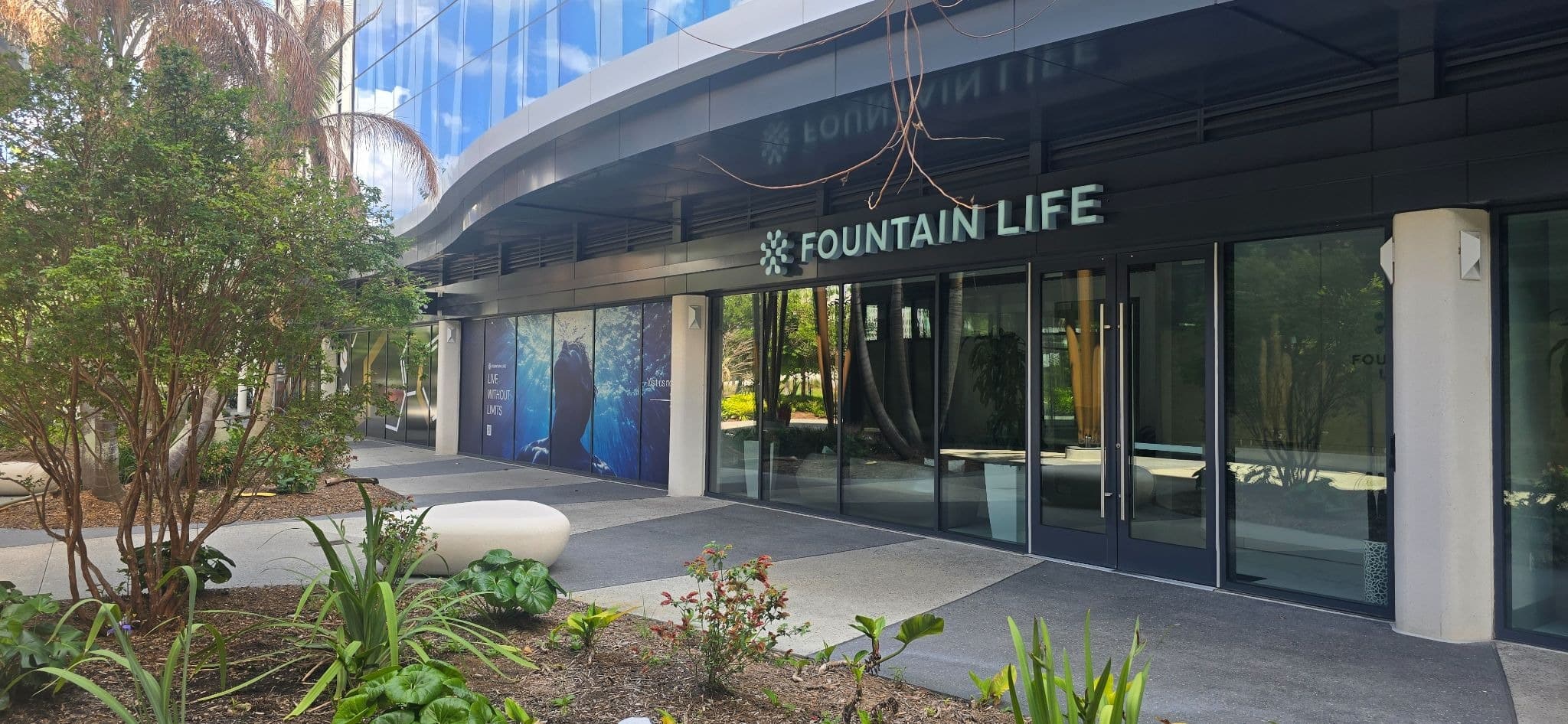
Fountain Life, winner of the Longevity Clinic of the Year for 2025 has its global headquarters here. I am one of their patients in their APEX year-round program. They provide AI-powered, full-body precision diagnostics that detect diseases like cancer, heart issues, and neurodegeneration years or decades early – empowering proactive interventions. It is owned by Peter Diamandis.
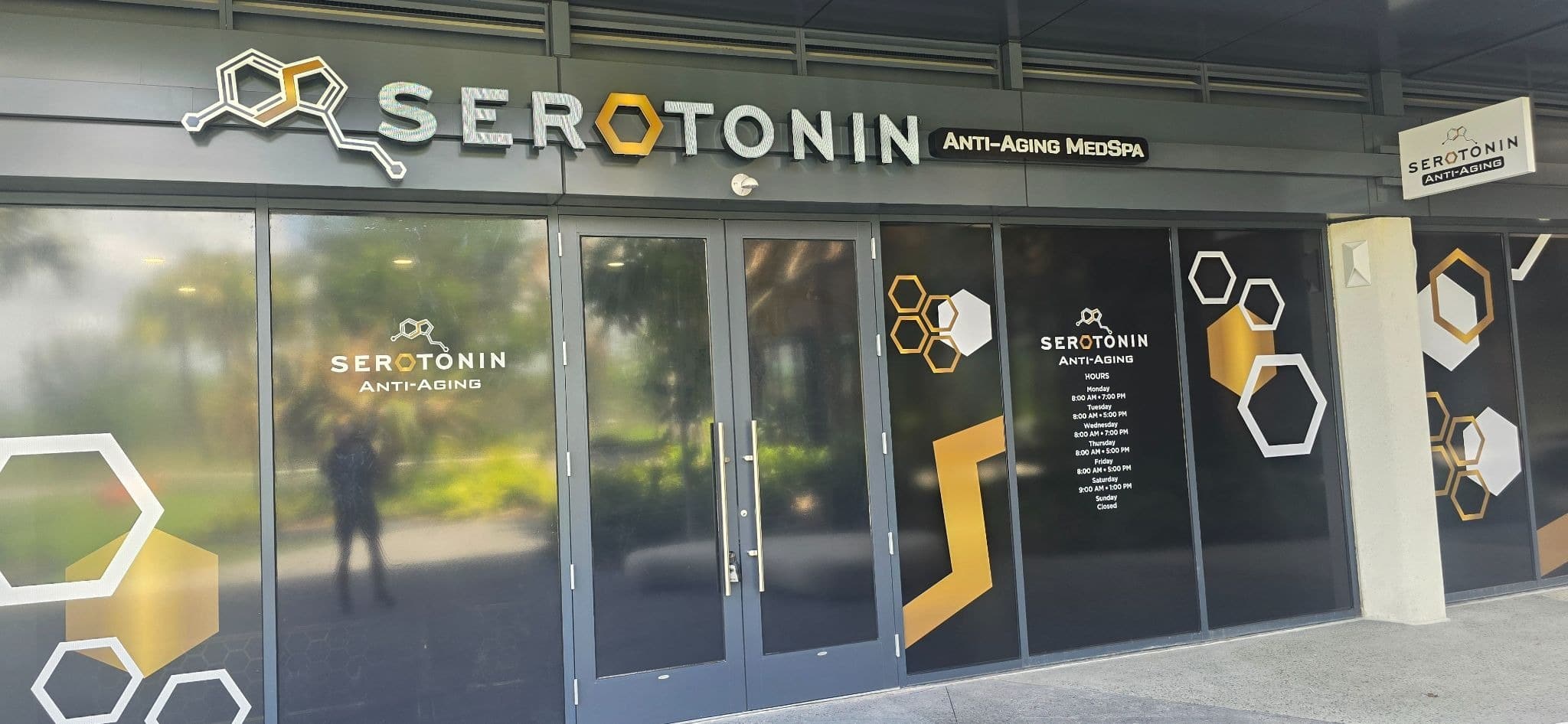
Serotonin Anti-Aging Center is a physician-led longevity and wellness clinic specializing in hormone optimization, peptide therapy, and anti-aging treatments. It offers bioidentical hormone replacement (including testosterone), NAD+ infusions, medical weight loss, IV nutrient therapy, red light therapy, hyperbaric oxygen, aesthetics, and personalized coaching — all designed to boost energy, vitality, and healthy aging.
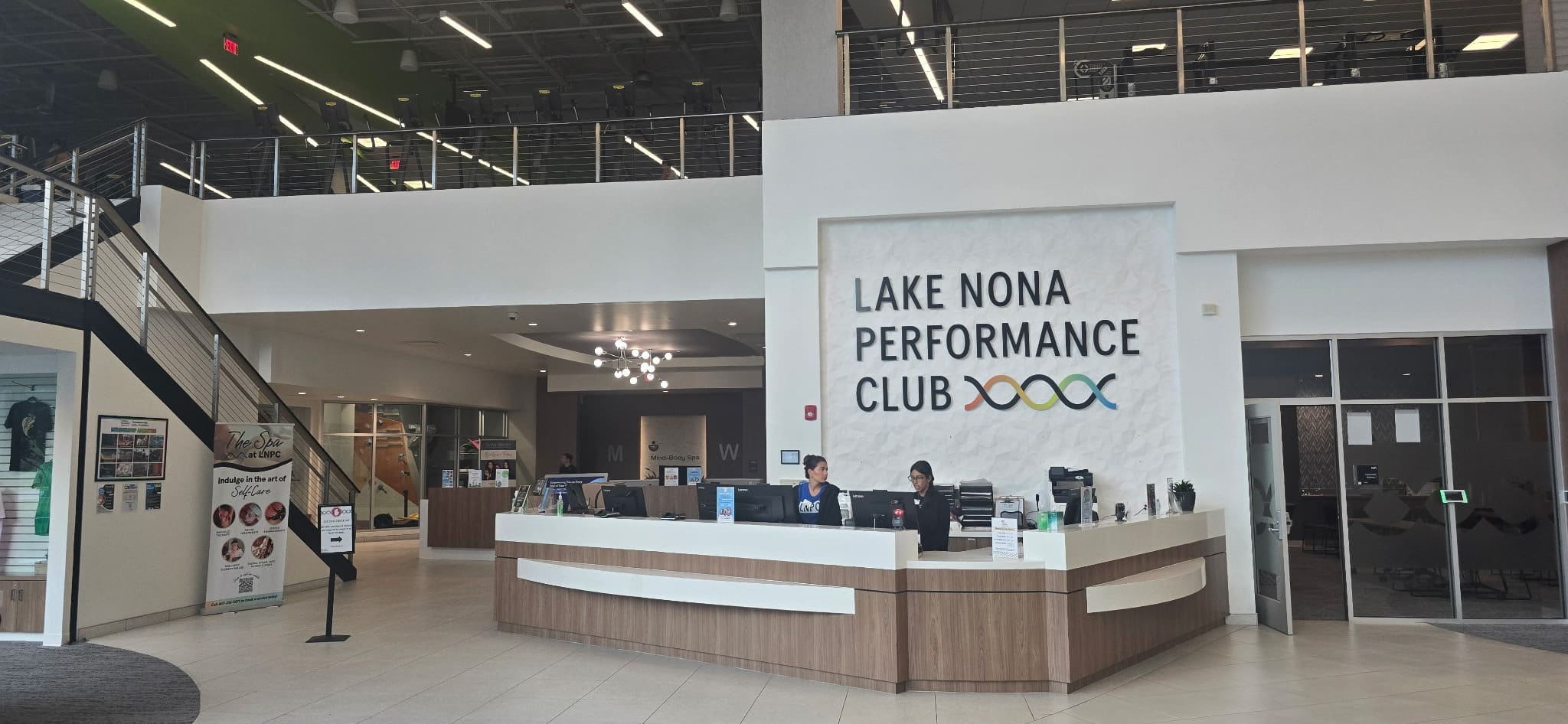
Lake Nona Performance Club (LNPC) is the largest gym I have seen. It is 13,000 sq. ft. with 10,000 members with all the latest equipment. It has a cold plunge, rock climbing and many classes. The attached spa has the usual spa services, plus the Peak Living clinic, with the Amortal Experience red light bed and the AESCAPE robot massage.
Note: I am not a doctor. I am not specifically endorsing any treatment, supplement or clinic. This is purely educational to give you an idea of some of what is available. I don’t know for sure of actual benefits from these treatments, but I tried a bunch of them.
What can we do today to be healthy longer?
· Do what you can to avoid the “4 horsemen of chronic disease” – heart disease, cancer, neurodegenerative diseases (e.g., Alzheimer’s, Parkinson’s, and dementia), and metabolic dysfunction such as type 2 diabetes.
· Advanced screening & testing today can detect most of these diseases early. Private clinics do this preventative medicine, such as the basics with Medcan in Canada and the most advanced with Fountain Life in the US.
· Core lifestyle habits are still the key: sleep, exercise, diet & mindset. Focus on all 4. I personally use a sleep mask and wearable to track my sleep, have a personal trainer for weights and interval treadmill training together with protein to build muscle, and have a high protein diet with intermittent fasting. I get a lot of professional advice on all these.
· Supplements and meds targeted based on your test results. I am on 14 supplements recommended by my Fountain Life doctor from a specific, high-quality supplier.
· Have a “longevity mindset”. Optimists live longer than pessimists (even if they are wrong). People with a life purpose live longer.
· Most important: Don’t die from something stupid! This includes high-risk activities, but also diseases that we already know how to test for early detection.
Optimistic Vision of Our Future
The longevity movement gives us profound hope: more vibrant years with loved ones, pursuing passions, and contributing meaningfully. By focusing on evidence-based habits today—nutrition, movement, sleep, stress management, and advanced screenings—we can bridge to tomorrow’s breakthroughs.
Science is making aging more optional than inevitable. The future looks brighter and longer than ever.
What steps are you taking? Share in the comments.
Ed
Planning With Ed

Ed Rempel has helped thousands of Canadians become financially secure. He is a fee-for-service financial planner, tax accountant, expert in many tax & investment strategies, and a popular and passionate blogger.
Ed has a unique understanding of how to be successful financially based on extensive real-life experience, having written nearly 1,000 comprehensive personal financial plans.
The “Planning with Ed” experience is about your life, not just money. Your Financial Plan is the GPS for your life.
Get your plan! Become financially secure and free to live the life you want.